Emergency Dentist Care After a Fall or Accident
A fall on the stairs, a collision during a weekend soccer match, a bike crash, a slip on wet tile, a toddler taking a hard knock on the coffee table, dental injuries often happen fast and without warning. In the moment, people usually notice the blood first. Then the pain. Then the sinking realization that a tooth feels loose, looks shorter, or is no longer there at all. That is when emergency dentist care stops being an abstract idea and becomes a practical need.
Dental trauma sits in an awkward space between medicine and dentistry. Some injuries are mostly about the tooth. Others involve the lips, cheeks, jaw, facial bones, or even a concussion. The first challenge is knowing what you are actually dealing with. The second is getting the right treatment quickly enough to preserve the tooth, reduce complications, and control pain.
Time matters more than many people realize. A chipped edge can often wait a short while. A knocked-out permanent tooth is a very different situation. In that case, every minute outside the mouth affects the odds of saving it. Even when the injury seems minor, a tooth can have a hidden crack, nerve damage, or damage to the surrounding bone that only shows up on an exam and x-rays.
What counts as a dental emergency after an accident
Not every bump to the mouth needs same-day treatment, but many do. If a tooth is broken, pushed out of position, loosened, or knocked out, the situation deserves prompt attention. The same is true if a crown or filling is lost because of trauma and the exposed tooth is painful, or if the gums are torn and bleeding does not settle with pressure.
One detail that often gets overlooked is bite change. If the teeth no longer meet the way they did before the fall, there may be more going on than a simple chip. A shifted tooth, a root fracture, or a jaw injury can change the way the upper and lower teeth fit together. Patients sometimes describe it as, “My mouth just feels off.” That phrase gets my attention because it can point to a deeper structural problem.
Children add another layer of complexity. A baby tooth and a permanent tooth do not follow the same rules after trauma. With a baby tooth, the goal is often to protect the developing permanent tooth underneath and avoid making the injury worse. With a permanent tooth, preserving the tooth itself becomes the priority whenever possible.
The first few minutes matter
The immediate response after a fall or accident can influence the outcome. Most people do not need perfect first aid. They need calm, clean, sensible steps. Panic causes mistakes, especially with knocked-out teeth.
Here is the short version of what to do before you reach an emergency dentist:
- Control bleeding with gentle pressure using clean gauze or a clean cloth.
- Rinse the mouth lightly with water to clear debris, but do not scrub injured tissues.
- If a permanent tooth is knocked out, hold it by the crown, not the root, and place it back in the socket if possible, or keep it in milk or saliva.
- Use a cold compress on the outside of the face in short intervals to reduce swelling.
- Seek urgent dental care immediately, and emergency medical care as well if there is loss of consciousness, severe facial swelling, vomiting, confusion, or trouble breathing.
That third step deserves emphasis. If a permanent tooth comes out whole, the root surface has living cells that help the tooth reattach. Touching, scraping, or drying that root lowers the chance of success. If the tooth is visibly dirty, a brief gentle rinse with saline or milk is reasonable. Vigorous washing is not. A person who can place the tooth back into the socket right away often gives that tooth the best chance. If that feels impossible, milk is usually a practical transport medium at home or on the field. Plain water is less ideal because it does not protect root cells as well.
With children, you need to know whether the missing tooth is a baby tooth or a permanent one. A knocked-out baby tooth should not be replanted. Doing so can harm the adult tooth developing beneath it. Parents are often unsure in the heat of the moment, especially when the child is around age six or seven and has a mix of baby and permanent teeth. If there is any doubt, call a dentist immediately and describe the tooth and the child’s age.
The injuries emergency dentists see most often
Some trauma cases are straightforward. Others can be deceptive. A front tooth chip may look dramatic but involve only enamel, while a smaller-looking injury can extend into dentin or pulp and create intense sensitivity or lasting complications.
A simple enamel chip may feel rough or sharp but cause little pain. These are often repaired with smoothing, bonding, or a veneer or crown later if appearance matters. Once the chip reaches dentin, sensitivity to air, cold, and touch becomes more common. If the pulp is exposed, pain can be severe, and the tooth may require urgent protective treatment, root canal therapy, or close follow-up depending on the extent of injury and the patient’s age.
Teeth can also be displaced without being completely knocked out. One may be pushed inward, outward, sideways, or partially out of the socket. Dentists use specific terms for these patterns, but from a patient’s perspective the key issue is that the tooth is no longer where it belongs. Repositioning and stabilizing it quickly can make a major difference.
Then there are root fractures. These are easy to miss because the crown may look almost normal. The clues are often mobility, tenderness when biting, bleeding around the gumline, or a tooth that sounds or feels different. X-rays from more than one angle are usually needed. Treatment depends on where the fracture lies. A crack near the tip of the root behaves very differently from one near the gumline.
Soft tissue injuries deserve respect too. The inside of the lip can split against a sharp tooth edge, and cheeks and tongues can lacerate badly in falls. Sometimes a fragment of tooth ends up embedded in the lip. If the swelling and bleeding are significant, the tissue may need sutures, and a radiograph may be useful to make sure nothing is lodged inside.
When emergency medical care comes before the dentist
Sometimes the mouth injury is only one part of the problem. If the person blacked out, seems confused, has a severe headache, is vomiting, cannot open the mouth properly, or shows obvious facial asymmetry, emergency medical assessment comes first. The same applies if there is suspected jaw fracture, uncontrolled bleeding, breathing difficulty, or neck injury.
These are the situations where it makes sense to treat the dental issue as part of a bigger trauma picture:
- Loss of consciousness, confusion, memory gaps, or repeated vomiting after the fall.
- Severe facial swelling, a visibly crooked jaw, or inability to close the teeth together normally.
- Deep cuts through the lip or face, especially if bleeding does not slow with pressure.
- Difficulty breathing or swallowing because of swelling, blood, or broken tooth fragments.
- High-speed accidents, especially with head, neck, or multiple body injuries.
A practical example helps. A patient who slips in the kitchen, chips a front tooth, and remains alert with manageable bleeding can often go directly to an emergency dentist. A cyclist who hits the handlebars, loses a tooth, feels dizzy, and cannot remember the accident should go to the emergency department first or Emergency Dentist call emergency services. The tooth matters, but the brain and airway matter more.
What an emergency dentist will do at the appointment
People often assume a same-day visit means the tooth will be permanently fixed on the spot. Sometimes that happens. Often the first appointment is about diagnosis, pain control, cleaning the area, protecting the injured teeth, and preventing the damage from getting worse.
The visit usually starts with a focused history. When did the injury happen? Was there a blow to the chin or side of the face? Was the tooth out of the mouth, and if so, for how long? Was it stored in milk, saliva, or dry tissue? Was there any loss of consciousness? For children, the dentist also needs to know whether the injured tooth is primary or permanent, and whether the child can cooperate with imaging and treatment.
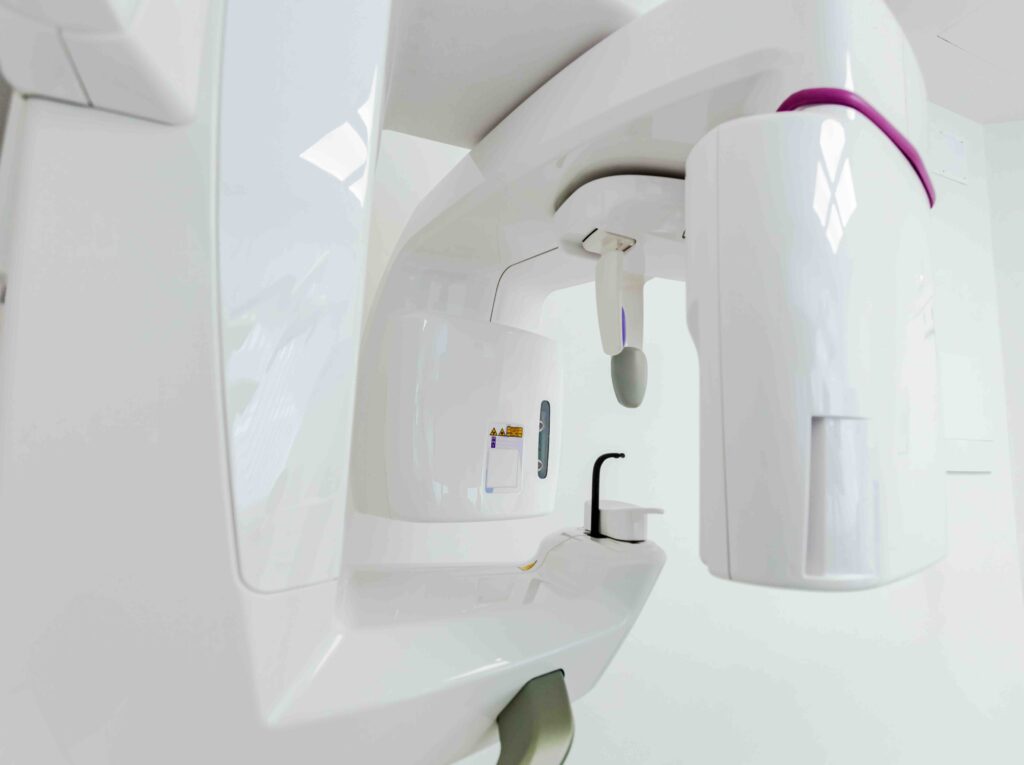
Then comes the exam. The dentist will look at the teeth, gums, lips, bite, and jaw movement. Mobility is checked carefully. Sensibility testing may be done, though results can be unreliable immediately after trauma because a bruised tooth may test negative at first and recover later. X-rays are often essential. In some offices, cone beam imaging is used when the injury pattern is complex or a root fracture is suspected.
If a tooth has been displaced, the dentist may reposition it and place a flexible splint for a period that commonly ranges from a couple of weeks to longer, depending on the injury. If the tooth is fractured, the exposed area may be sealed temporarily or restored right away with bonded material. A tooth with pulp exposure might receive a protective pulp treatment, especially in a younger patient, or it may be planned for root canal therapy if the situation warrants it. Soft tissue wounds may be cleaned and sutured. Tetanus status may come up if there are contaminated wounds, especially after outdoor accidents.
Pain control is part of the job, but so is setting expectations. Traumatized teeth can change over time. A tooth that looks fine after the accident may darken months later or develop symptoms if the nerve does not recover. That is why good follow-up matters just as much as the first urgent visit.
Saving a knocked-out tooth, what improves the odds
A completely avulsed permanent tooth is one of the few true dental time emergencies. The best outcomes usually happen when the tooth is replanted as soon as possible, ideally within minutes. After about an hour of dry time, the prognosis drops significantly, though dentists still attempt to save teeth in many cases because individual circumstances vary.
Several factors affect the outlook. Storage medium is one. Milk is practical and better than dry tissue or water. The way the tooth is handled is another. A tooth grasped by the crown and kept relatively moist has a better chance than one scrubbed under tap water. The age of the patient matters too. Younger patients can heal well, but they also face special long-term concerns because the jaws are still growing.
One point patients appreciate hearing plainly is that “saving the tooth” does not always mean “saving it forever.” Even when replantation succeeds, the tooth may later need root canal treatment, long-term monitoring, or eventual replacement. Still, preserving the natural tooth for years, especially in a visible front area, can be very worthwhile.
Fractured teeth are not all the same
A small enamel chip from a coffee mug impact is a different problem from a deep fracture after a face-first fall onto concrete. The deeper the crack or break extends, the more likely it is to involve the pulp or root. Pain with cold, lingering throbbing, or sharp pain on release when biting can suggest deeper involvement.
Some fractures are clean and restorable. Others run below the gumline or split the tooth vertically, making the tooth difficult or impossible to save. This is where experience matters. A dentist has to judge not only what can be done immediately, but whether the result is likely to remain healthy and functional six months or two years later. There is little value in heroic treatment that leaves the patient with chronic inflammation, repeated infections, or a restoration that keeps failing.
Back teeth are tricky after trauma because the fracture can be hard to see. A patient may swear the problem is “just soreness from the hit,” when in fact a cracked molar is opening under chewing pressure. In those cases, x-rays may still look normal early on, and the diagnosis comes from symptoms, bite tests, and a careful clinical exam.
Pain, swelling, and home care in the first 24 hours
After a fall or accident, swelling commonly peaks later rather than sooner. People are often surprised that the mouth looks worse the next morning. That alone does not mean the injury is worsening, but severe or rapidly increasing swelling, especially with fever or trouble swallowing, needs urgent reassessment.
Cold compresses are useful in the first day. Soft foods reduce strain on injured teeth and sutured tissues. Good oral hygiene still matters, but brushing near the injury needs to be gentle. In some cases, a dentist may recommend a chlorhexidine rinse for a limited period to help reduce bacterial load around traumatized gums or splinted teeth.
Pain medicine should be chosen with common sense and attention to individual medical conditions. Many adults do well with over-the-counter options if they can take them safely, but it is wise to follow professional advice, especially after more significant procedures or in children. Aspirin is not usually the first choice when active bleeding is a concern. For children, dosing should always be based on age and weight, and parents should avoid improvising with Emergency Dentist adult products.
One practical tip that helps more than patients expect is to avoid “testing” the injured tooth. People tend to tap it, wiggle it, or bite gently on it just to see whether it feels better. That repeated checking can increase soreness and, with a loose or repositioned tooth, may interfere with healing.
Children, teens, and sports injuries
A large share of dental trauma happens in younger patients. Playgrounds, scooters, basketball courts, skateboards, pools, and roughhousing at home all produce their share of urgent appointments. Teenagers also present with a particular kind of injury, the one paired with braces. A blow to the mouth can drive the lips into brackets and wires, causing painful lacerations and swelling even when the teeth themselves are intact.
With children, behavior and timing matter. A frightened five-year-old with a bleeding mouth may resist even the gentlest exam. In those moments, the most effective clinician is not necessarily the one who moves fastest, but the one who can keep the child calm enough to gather the information needed. Sometimes the best first step is simply pain control, reassurance, and a quick, focused exam with limited imaging, followed by closer review when the child settles.
Mouthguards deserve more attention than they get. Custom guards offer the best fit and protection, but even a decent over-the-counter guard is better than none for contact sports and activities with a fall risk. Helmets protect the head, not the teeth. I have seen plenty of children arrive wearing a helmet and still sustain serious dental trauma because the face took the impact.
The hidden problems that show up later
One of the hardest parts of trauma care is that the story is not finished when the bleeding stops. Teeth can lose vitality weeks or months after the accident. A tooth may discolor slowly, become tender to pressure, or develop a gum pimple that signals infection. Root resorption can occur in some cases, especially after avulsion or severe displacement injuries. These are not dramatic events. They tend to unfold quietly.
That is why follow-up appointments matter. A good emergency dentist will usually set a schedule based on the injury type, often with repeat exams, x-rays, and vitality testing over time. Patients sometimes skip these visits because the tooth “feels fine now.” Unfortunately, the teeth that feel fine can still be the ones developing silent complications.
Adults with heavily restored teeth have a different issue. Old crowns, root canal treated teeth, and large fillings can fracture differently under impact. Sometimes the crown survives but the root does not. Sometimes the restoration is the least important part of the case, and the supporting tooth and bone are the real concern.
Cost, triage, and practical decisions
Emergency dental care after an accident can range from relatively simple to unexpectedly complex. A smoothing and bonded repair for a minor chip is one category. Splinting, root canal therapy, suturing, and eventual crowns or implants sit in another. The cost question is real, and good clinicians do not pretend otherwise.
In the best offices, the patient gets a clear sense of what has to happen today versus what can be staged. Immediate priorities are usually saving the tooth if possible, controlling pain, reducing infection risk, and stabilizing injured structures. Cosmetic refinement can often wait. For example, a front tooth may first receive a durable bonded build-up to protect it and restore appearance quickly, with a more definitive veneer or crown considered later after the tooth’s long-term prognosis becomes clearer.
Insurance adds another layer. Some trauma care may fall under medical coverage depending on the circumstances and the structures injured, while other parts are billed through dental coverage. Patients should not delay urgent care while trying to untangle that on the phone, but they should keep records, photographs if available, and details of how the injury occurred.
How to choose the right urgent dental help
Not every dental office is equipped the same way for trauma. When calling, it helps to be specific. Say whether the tooth is broken, loose, displaced, or knocked out. Mention if there was head injury, facial swelling, or heavy bleeding. Ask whether the office handles dental trauma the same day and whether they treat children if the patient is a child.
An office experienced in trauma will usually ask the right questions quickly. They may tell you to come immediately, to store the tooth in milk, to head to the emergency department first, or to send photos if that helps triage. Those first phone instructions can be surprisingly valuable.
If your regular dentist cannot see you promptly, an emergency dentist is the right next call. That is exactly the setting where urgent skill, quick imaging, and clear decision-making matter most.
A final practical note for the next accident you hope never happens
Most households are not prepared for dental trauma until it happens once. After that first frightening experience, people tend to keep gauze on hand, know where the nearest emergency dentist is located, and understand the difference between a chipped tooth and a knocked-out permanent tooth. That is not paranoia. It is experience.
A mouth injury after a fall or accident is messy, painful, and upsetting, but it is often manageable when the response is fast and informed. Keep the tooth moist if it has been knocked out, do not ignore changes in bite or loose teeth, and treat head injury signs as medical priorities. The rest belongs in experienced hands, ideally sooner rather than later.