Emergency Dentist Treatment for Tooth Infections and Abscesses


A tooth infection rarely stays quiet for long. It starts with a nagging throb, a sharp sting when you bite, or a tenderness you hope will settle down by morning. Then the pain deepens, pressure builds, your face may begin to swell, and eating, sleeping, even concentrating becomes difficult. At that point, people usually stop asking whether they need help and start asking how fast they can be seen.
That urgency is justified. Tooth infections and abscesses are not the sort of dental problems to watch for a week and reassess later. They can spread, they can worsen quickly, and they can turn a manageable dental visit into a medical emergency if treatment is delayed too long. An Emergency Dentist is often the right clinician to see when symptoms escalate suddenly or appear outside the usual pattern of routine care.
The challenge is that many patients do not know what treatment actually involves. They assume the visit will mean immediate extraction, or they expect antibiotics alone to solve the problem, or they worry that severe pain automatically means a hospital trip. Real emergency dental care is more nuanced than that. The best treatment depends on where the infection started, how far it has spread, whether the tooth can be saved, and whether swelling is beginning to affect the surrounding tissues.
What a tooth infection or abscess really is
A dental abscess is a collection of pus caused by bacterial infection. In practice, dentists usually see two broad patterns. One begins inside the tooth, often after deep decay, a cracked tooth, or trauma damages the pulp, the living tissue that contains the nerve and blood supply. Once bacteria reach that inner space, the pulp can die, and infection may move through the root tip into the surrounding bone. The other pattern starts in the gum or periodontal tissues, especially when advanced gum disease creates deep pockets where bacteria can thrive.
Patients often use the word “abscess” to describe any severe toothache, but not every painful tooth is abscessed. Some are inflamed without pus formation. Others are fractured, heavily decayed, or affected by gum infection without a true localized abscess. The distinction matters, but not in a way that should delay care. If there is persistent throbbing pain, swelling, a bad taste, sensitivity to pressure, or a pimple-like bump on the gum, prompt evaluation is appropriate.
One of the more deceptive features of dental infection is that pain is not always a reliable guide to severity. A tooth can be excruciatingly painful before swelling appears. It can also stop hurting temporarily after the nerve dies, even while the infection spreads beyond the tooth. People often misread that second pattern as improvement. It is not. A dead nerve does not mean a dead infection.
When an Emergency Dentist becomes necessary
Not every toothache needs same-day care, but some symptoms move the issue out of the “schedule it soon” category and into urgent treatment territory. An Emergency Dentist is especially important when pain is severe, swelling is visible, or normal function is being affected.
The following signs deserve prompt attention:
- Significant swelling of the gum, face, or jaw
- Throbbing dental pain that does not settle with over-the-counter pain relief
- Fever, malaise, or a general sense of being unwell along with tooth pain
- Trouble opening the mouth, swallowing, or speaking comfortably
- A foul taste or drainage from the gum near a painful tooth
Among these, swelling is the symptom that most often changes the pace of care. A localized gum boil beside one tooth is very different from swelling that tracks into the cheek, under the jaw, or toward the eye. Dentists are trained to judge that progression quickly. In some cases, urgent office treatment is sufficient. In others, the infection has moved beyond what should be managed in a standard dental setting.
What happens during an emergency dental visit
Patients in pain often expect treatment to begin the moment they sit in the chair, but a careful assessment comes first, and for good reason. The dentist needs to identify the exact tooth, confirm the source of infection, and determine whether the problem is restorable. Referred pain can be misleading. A lower molar may make the whole side of the face ache. A sinus issue can mimic an upper tooth infection. A cracked tooth can feel similar to an abscess until testing narrows it down.
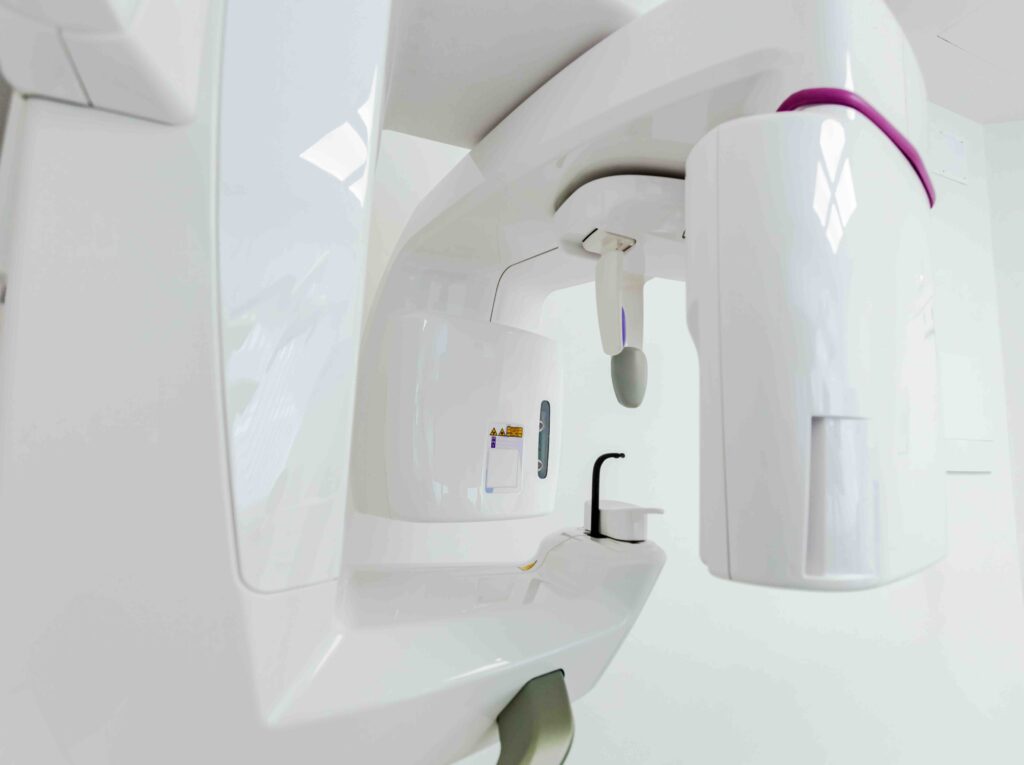
A typical emergency visit includes a focused history, an exam, and dental imaging, usually an X-ray. The dentist will ask when the pain started, whether it is constant or triggered, whether swelling has changed, whether there is fever, and what medications have already been taken. They will also want to know about medical conditions such as diabetes, immune compromise, heart conditions, pregnancy, and allergies to antibiotics or pain medications.
The physical examination usually includes tapping on teeth, checking the bite, looking for drainage, assessing the gums, and feeling for swelling under the jaw or in the cheek. If the tooth is heavily decayed or fractured, the decision may become clearer quickly. At other times, especially when pain is diffuse, the dentist may test several nearby teeth before identifying the source.
That diagnostic stage matters because emergency dental treatment is not one-size-fits-all. Some infections need drainage. Some need root canal access to relieve pressure. Some need extraction. Some need referral to an oral surgeon or, in more advanced cases, to hospital-based care.
The immediate goals of treatment
Emergency care for a dental abscess has three priorities: control the infection, relieve the pressure and pain, and decide whether the tooth should be saved or removed. Those goals sound straightforward, but the sequence can vary.
If a patient presents with a visibly swollen gum over a tooth and a fluctuant pocket of infection, the dentist may numb the area and drain it. Drainage can give dramatic relief because it reduces pressure in the tissues. If the infection is coming from inside the tooth, the dentist may also open the tooth to allow drainage through the root canal system. This is often the turning point for a patient who has spent a sleepless night pacing the house with an ice pack.
If the tooth is salvageable, the emergency visit may serve as the first stage of root canal treatment. In practical terms, that means the dentist creates access, removes infected tissue from inside the tooth, disinfects the canal space as much as possible at that visit, and places a temporary restoration. The final root canal and permanent restoration may be completed at a follow-up appointment, sometimes by a general dentist and sometimes by an endodontist.
If the tooth cannot be restored because it is broken below the gumline, severely decayed, or structurally compromised, extraction may be the better option. That decision is not a failure. In some cases, removing the source of infection is the most predictable path to recovery. Patients often feel conflicted about this, especially if the tooth has been symptomatic on and off for months and they hoped it would hold out. A dentist’s job in that moment is to balance urgency, prognosis, cost, and long-term function.
Antibiotics, and why they are not the whole answer
This is one of the most misunderstood parts of emergency dental treatment. Antibiotics can be important, but they are not a substitute for fixing the source of infection. If bacteria are inside a tooth with a dead nerve, or sealed inside an abscess cavity under pressure, antibiotics alone often provide only partial or temporary relief. The infected tissue still needs definitive treatment.
That is why many patients who started antibiotics at an urgent care clinic or medical office still end up at the dental office days later. The medicine may calm surrounding tissue inflammation for a while, but the diseased pulp or trapped abscess remains. Once the prescription ends, symptoms frequently return.
Dentists prescribe antibiotics when there is swelling, spreading infection, fever, lymph node involvement, or other signs that the infection is extending beyond the immediate tooth structure. They may also be used after drainage or when prompt definitive treatment must be staged. But if there is a localized infection without systemic spread, and the tooth can be treated right away, drainage or root canal access may do far more for pain relief than the antibiotic alone.
This also explains why self-medicating with leftover antibiotics is a bad idea. The choice of antibiotic, the dose, and the duration matter. So does the patient’s medical history. Just as important, taking the wrong medication can blur symptoms without resolving the dental cause, making the eventual condition harder to judge.
Saving the tooth versus removing it
Patients usually want a simple answer: can it be saved or not? Sometimes the answer is clear. A tooth with enough healthy structure, manageable infection, and favorable root anatomy is often a candidate for root canal treatment followed by a crown or other definitive restoration. A tooth fractured vertically into the root, by contrast, is usually not salvageable.
More often, the judgment lives in the middle ground. A back molar with deep decay may technically be treatable, but if very little sound tooth remains above the gumline, its long-term strength may be poor even after a root canal and crown. An older restoration may have hidden recurrent decay for years. A front tooth may be more worth saving because of appearance and bite function. A wisdom tooth with recurrent infection is rarely worth a heroic effort if it contributes little to chewing and has poor access for hygiene.
Cost also enters the conversation, and it should. Root canal treatment plus a crown is often more expensive upfront than extraction. Yet replacing a missing tooth later with an implant or bridge can be more involved and more costly than patients first realize. There is no universal best answer, only the best answer for that tooth in that mouth at that moment.
Pain control while treatment is underway
People remember abscess pain vividly because it is not just sharp, it is relentless. It can pulse with the heartbeat, worsen when lying down, and make even a slight touch to the tooth feel intolerable. Good emergency care addresses that pain directly.
Local anesthetic remains one of the most effective tools, though badly inflamed tissue can be harder to numb. Experienced dentists often work around this with technique, choosing the right injection approach, the right anesthetic, and enough time for it to take effect. Once pressure is relieved, many patients feel better within hours rather than days.
At home, dentists often recommend alternating or spacing common over-the-counter pain relievers, depending on the patient’s age, medical history, stomach tolerance, kidney function, and any prescription medications they already take. This should always follow professional guidance, because “more” is not safer, especially with acetaminophen-containing combination products.
Cold compresses on the outside of the face can help with comfort, though they do not treat the infection itself. Warm saltwater rinses may soothe inflamed tissues if the dentist recommends them. What tends not to help is putting aspirin on the gum, a persistent folk remedy that can actually burn the tissue.
When a dental infection becomes a medical emergency
There is a line between urgent dental care and a situation that needs hospital-level evaluation. Most abscesses treated by an Emergency Dentist stay on the dental side of that line, but not all.
Seek emergency medical care immediately if there is rapidly increasing facial swelling, difficulty breathing, difficulty swallowing, drooling, a muffled voice, inability to open the mouth properly, confusion, or high fever with significant weakness. Infections in the lower jaw can spread into deeper spaces beneath the tongue and jaw, which is why dentists take floor-of-mouth swelling seriously. Upper tooth infections can also be concerning if swelling tracks toward the eye.
These are not common outcomes, but they are real enough that no responsible dentist minimizes them. A patient with a swelling that seemed small at bedtime can wake with a markedly different face in the mirror. That sudden change is one reason prompt assessment matters.
What recovery usually looks like
Once the infected tooth is drained, treated internally, or removed, improvement often starts quickly. Pain may drop from severe to manageable within the first day. Swelling usually takes longer. Soft tissue infections can look worse before they look better, especially if they were already established before treatment.
Most patients are advised to expect tenderness for several days, a need for soft foods, and close attention to oral hygiene around the area. If a temporary restoration was placed after initial root canal treatment, chewing on that tooth may be limited until the follow-up appointment. If the tooth was extracted, the socket has its own healing timeline and aftercare instructions.
The key point is that treatment is often not finished in one visit. Emergency care gets the problem under control. Definitive care prevents it from returning. That may mean completing a root canal, placing a crown, returning for reevaluation of swelling, or discussing tooth replacement after an extraction. The patient who feels better after the first appointment sometimes assumes the issue is resolved and postpones the follow-up. That is one of the most common ways a “fixed” emergency becomes a repeat emergency.
What you can do before you are seen
If you are waiting for an appointment with an Emergency Dentist, focus on protection and comfort, not improvised treatment. Keep the area as clean as you can with gentle brushing. Rinse if your dentist’s office advises it. Eat on the opposite side if chewing increases pain. Stay hydrated. Take only medications that are appropriate for you and that follow the instructions given by a healthcare professional or the product label.
Avoid placing crushed tablets, clove oil in heavy amounts, alcohol, or other home remedies directly against the gum. Some of these approaches irritate tissue and complicate the examination. Also avoid applying heat directly to the outside of the face. People often think warmth will draw out infection, but it can worsen swelling in some cases.
A useful short checklist before your visit includes:
- Note when the pain started and whether it has spread
- Check whether there is fever, drainage, or a bad taste
- Bring a list of medications and allergies
- Avoid eating a heavy meal right before treatment if significant dental work may be needed
- Arrange transport if you think pain, swelling, or anxiety may make driving difficult afterward
Those details help the dental team move faster and more safely once you arrive.
Why these infections happen in the first place
Most dental abscesses begin in old, familiar problems that were easy to postpone. Untreated cavities are a leading cause. So are cracked teeth, failing fillings, neglected crowns, and advanced gum disease. Sometimes the initial injury seems minor, like biting an olive pit or grinding so heavily that a tooth develops a fracture line over time. The crack may not cause obvious pain at first, but once bacteria gain entry, infection can follow.
There is also a pattern dentists see often in busy adults: intermittent discomfort that flares, settles, and flares again over several months. Because the pain comes and goes, it Emergency Dentist feels optional. Then one day the infection tips into something more serious. From the outside, it looks sudden. Clinically, it is usually the end stage of a process that has been developing for quite a while.
Dry mouth, smoking, poor diabetes control, and inconsistent dental care all increase risk. So does delaying treatment because the tooth “isn’t hurting now.” That last phrase is one dentists hear frequently, and it is one of the least reliable indicators of dental health.
Prevention is less dramatic, and much easier
Emergency care is sometimes unavoidable, but many abscesses are preventable. Routine exams catch deep decay before it reaches the nerve. X-rays reveal infection at the root tip before facial swelling starts. Small cracks can sometimes be protected with a crown before the tooth fractures catastrophically.
Even basic maintenance matters more than people think. Effective brushing at the gumline, daily cleaning between teeth, keeping old restorations monitored, and addressing gum bleeding early all reduce the bacterial burden that leads to larger problems. For patients with repeated abscesses around heavily restored teeth, a realistic long-term plan matters just as much as short-term rescue care.
There is also value in not waiting out a suspicious symptom. Pain with biting, a pimple on the gum that comes and goes, sudden darkening of a tooth after trauma, or swelling that appears near one tooth are all signs worth assessing before they become urgent. The easiest abscess to manage is the one treated before it fully develops.
The practical role of an Emergency Dentist
A good Emergency Dentist does more than relieve pain. They sort urgency from panic, identify the true Emergency Dentist source, stabilize the infection, and help the patient choose the next right step. Sometimes that step is conservative and tooth-saving. Sometimes it is decisive removal of a hopeless tooth. Sometimes it is a referral because the infection has moved beyond the reach of office-based care.
What matters most is timing. Tooth infections and abscesses rarely reward delay. The sooner the pressure is relieved and the source is treated, the better the odds of a smoother recovery, less disruption, and a lower chance that a painful dental problem turns into a broader health risk.
For patients, the takeaway is straightforward. If swelling, throbbing pain, drainage, or fever enter the picture, stop hoping it will pass on its own. Get it evaluated. In the setting of dental infection, fast, well-judged treatment is not just about comfort. It is about control, safety, and preserving as many options as possible.