Finding the Best Emergency Dentist Beverly Hills for Urgent Care
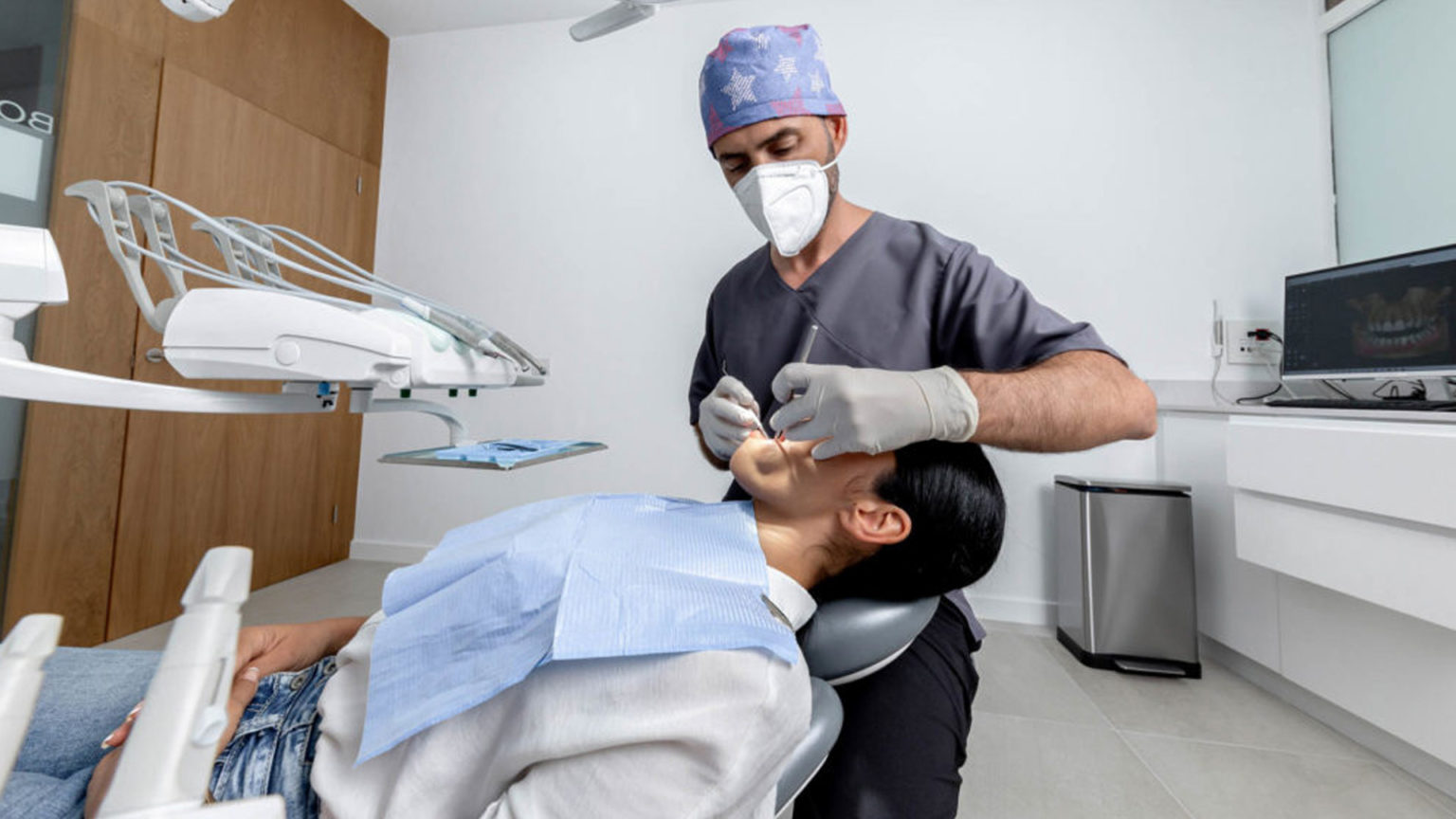
A dental emergency has a way of shrinking your world fast. One minute you are going about a normal day, the next you are holding your jaw in a parking lot, trying to decide whether the pain can wait until morning. In Beverly Hills, where schedules are packed and expectations for care are high, the difference between a manageable problem and a miserable night often comes down to finding the right dentist quickly.
Not every urgent dental problem looks dramatic. A knocked out Emergency Dentist Beverly Hills tooth is obvious. A cracked molar with a sharp edge, a swelling under the gumline, or a crown that comes loose before a business dinner can feel less urgent, even when they need prompt care. That uncertainty is where people lose time. They hope it will settle down, take another over the counter pain reliever, or search online until the choices blur together.
Choosing an Emergency Dentist Beverly Hills residents can trust is not only about who appears first in a search result. It is about clinical judgment, speed, availability, and the ability to tell the difference between a problem that needs immediate intervention and one that can be stabilized safely until a follow up visit. In real practice, that distinction matters a great deal.
What counts as a true dental emergency
The term “emergency” gets used loosely, but from a clinical standpoint, a dental emergency usually involves severe pain, infection, trauma, uncontrolled bleeding, or damage that will worsen significantly without timely treatment. Some issues can wait a day or two with careful management. Others should be seen the same day, sometimes within hours.
A toothache that keeps you awake all night is often more than a simple cavity. Deep decay, a dying nerve, an abscess, or a fracture can all produce escalating pain. Swelling is especially important. If the cheek, gum, or jaw is noticeably enlarging, or if swallowing becomes difficult, the issue has moved beyond inconvenience. Infection in the mouth can spread, and while most dental infections remain localized at first, no responsible clinician treats facial swelling casually.
Trauma is another category where time matters. A tooth that has been knocked out has the best chance of survival if it is replanted quickly, ideally within 30 to 60 minutes. A chipped front tooth might be largely cosmetic, or it might expose dentin or nerve tissue. Without an exam and X rays, the difference is not always obvious.
Then there are the less dramatic but still urgent problems. A lost filling can turn a mild sensitivity into nerve level pain by evening. A broken denture before travel may not be life threatening, but it can affect eating, speech, and confidence enough to warrant same day attention. Good emergency dentistry is not just about dramatic rescues. It is also about preventing a small problem from snowballing.
The qualities that actually matter in urgent care
When patients search for an Emergency Dentist Beverly Hills office, they often focus first on location and availability. Those are important, but they are only part of the picture. In urgent care, a few practical factors make a tremendous difference.
First, the office needs true emergency capacity, not simply a polite promise to “fit you in.” Some practices reserve time every day for same day cases. Others say they handle emergencies but can only offer a brief exam and then schedule treatment later in the week. There are situations where that is appropriate, but if you are in significant pain, it helps to ask what can be done at the first visit. Can they provide definitive treatment that day if needed, such as an extraction, root canal start, crown stabilization, or drainage of an abscess?
Second, diagnostic capability matters. An emergency visit should not rely on guesswork. Digital radiographs, and in some cases 3D imaging, help identify fractures, deep infection, impacted teeth, and the true source of pain. Many patients are surprised to learn that the tooth they swear is hurting is not always the actual culprit. Pain can refer along the jaw, especially with posterior teeth.
Third, experience matters. A seasoned emergency dentist tends to move calmly and efficiently. They have seen the cracked veneer before a red carpet event, the child with a sports injury, the executive flying overseas with a sudden abscess, and the patient who waited too long because they were afraid of dentistry. That experience shapes decisions. Sometimes the best emergency treatment is immediate definitive care. Sometimes it is pain control, infection management, and a clear plan for the next 24 to 72 hours.
Fourth, communication counts more than people expect. Under stress, patients do not need vague reassurance. They need to know what is happening, what can be fixed today, what may need a specialist, what the likely cost range is, and what warning signs should prompt urgent follow up.
Why Beverly Hills patients often need a different kind of urgent care experience
Beverly Hills is not a typical dental market. Patients here are often balancing professional visibility, demanding schedules, and high expectations for both function and appearance. Someone may need immediate relief from pain, but they may also need to preserve an existing cosmetic result, match veneers accurately, or avoid a treatment choice that compromises smile aesthetics later.
That changes how an emergency dentist approaches care. A front tooth fracture in a patient with complex cosmetic dentistry is not handled the same way as a basic edge chip in an untreated natural tooth. A temporary repair has to look acceptable, protect the tooth, and leave room for the best final result. The same applies to crowns, implants, and prior full mouth rehabilitation work. Emergency dentistry in this setting often requires a broader understanding of restorative and cosmetic consequences, not just short term triage.
Time pressure is different too. It is common for patients to call between meetings, before flights, or after long workdays. An office that handles emergencies well will have a streamlined intake process, efficient imaging, and a team that can move from diagnosis to treatment without unnecessary delays.
Red flags when you are searching in a hurry
Urgency makes people vulnerable to bad choices. Pain changes judgment. So does panic over appearance. If you need quick care, it helps to watch for a few warning signs.
Emergency Dentist Beverly HillsAn office that cannot describe its emergency process clearly may not truly prioritize urgent care. If the answer to every question is “come in and we’ll see,” without any effort to screen the severity of the issue, that is not ideal. A well run practice will ask about swelling, trauma, bleeding, fever, pain intensity, and whether the tooth is broken or missing.
Pricing is another sensitive area. Exact fees are not always possible before an exam, because treatment depends on diagnosis, but a reputable office can usually discuss consultation fees, imaging charges, and broad treatment ranges. Complete vagueness often leads to frustration.
Be cautious with promises that sound too neat. Not every painful tooth can be saved. Not every cracked tooth needs extraction. Not every swollen gum is “just stress.” Dentistry requires examination and judgment. Anyone who speaks in absolutes before looking should make you pause.
What to ask before you book
When people are in pain, they sometimes rush to the first available appointment. If you can spare five minutes on the phone, a few direct questions can help separate a truly prepared office from one that is only loosely available.
- Do you offer same day emergency appointments, and what times are typically available?
- Can treatment be done during the emergency visit if the diagnosis is clear?
- Do you handle dental trauma, infections, root canal related pain, and broken restorations in house?
- What imaging is available on site?
- If I have swelling, fever, or severe pain, how should I proceed before arriving?
Those questions are simple, but they reveal a lot. The answers often tell you whether the office has systems, equipment, and clinical confidence for real urgent care.
Conditions that usually need same day attention
There is a practical difference between “urgent” and “monitor it overnight.” While no article can diagnose you, some situations are strong candidates for same day evaluation. Severe spontaneous tooth pain, visible swelling, a knocked out or loosened permanent tooth, significant bleeding after an extraction, a broken tooth with sharp exposed structure, or facial trauma involving the mouth should generally not wait.
If you have fever, rapidly spreading swelling, or trouble opening your mouth, swallowing, or breathing, the concern rises sharply. Those symptoms can point to a more serious infection or injury pattern. Dental offices manage many urgent problems very well, but medical emergency services may be appropriate in certain cases. Good dentists know when to involve a hospital setting.
What happens during an emergency dental visit
People often imagine an emergency dental appointment as rushed and chaotic. The better offices feel almost the opposite. There is urgency, yes, but also a clear sequence.
Most visits begin with a short history focused on the problem at hand. When did the pain start, what triggers it, is it constant or intermittent, has there been trauma, and are there signs of swelling or drainage? Then the clinical exam narrows the possibilities. The dentist may test the tooth for percussion sensitivity, temperature response, bite pressure, or mobility. Imaging usually follows. Once the source is identified, treatment options are discussed.
That treatment may be definitive, such as removing decay and placing a sedative filling, initiating root canal therapy, re cementing a crown, splinting a mobile tooth, or extracting a non restorable tooth. In other cases, the right move is interim stabilization. A temporary restoration, smoothing a fractured edge, adjusting a bite, prescribing medications when indicated, or placing the tooth under observation can be the most responsible first step.
Patients sometimes assume the goal is to “finish everything today.” In reality, the goal is to resolve the urgent threat, control pain, and protect long term outcomes. Those are not always the same thing.
Pain control, antibiotics, and common misunderstandings
One of the most common misconceptions in emergency dentistry is that antibiotics solve tooth pain. They do not, unless infection is part of the problem. A hot, throbbing tooth caused by irreversible pulp inflammation often needs a procedure, not just medication. Antibiotics may play a role when there is swelling, cellulitis, systemic involvement, or a localized infection with clear signs of spread risk. Used casually, they add side effects without fixing the source.
Pain management is also more nuanced than many patients expect. A dentist may recommend alternating common nonprescription medications when medically appropriate, because certain combinations can outperform stronger options for dental pain. But this depends on your medical history, stomach health, kidney function, blood thinner use, and allergies. Emergency care is safest when medication advice is individualized, not copied from a generic online post.
Cosmetic considerations in urgent cases
In Beverly Hills, aesthetics cannot always wait for the “regular” appointment. If a front tooth chips before a major event, or a veneer dislodges before travel, the dentist has to think several moves ahead. Temporary materials need to hold, contours need to look natural, and the repair should avoid making the final restoration harder later.
This is one reason many patients prefer an Emergency Dentist Beverly Hills practice that also has strong restorative and cosmetic experience. A technically acceptable repair that looks obvious in photos is not a satisfactory outcome for many people here. At the same time, chasing perfection during an emergency can be the wrong call if the tooth first needs biological stabilization. The best clinicians know how to balance immediate appearance with long term tooth health.
How insurance and fees usually work in urgent care
Emergency dental costs vary widely because “emergency visit” is not a single treatment. A brief exam and X rays are one fee structure. An extraction, root canal procedure, crown recementation, temporary build up, or splinting each adds different costs. Beverly Hills practices may also differ in payment models. Some are insurance friendly, some are out of network but provide claim support, and some operate primarily on a fee for service basis.
The practical advice is simple. Ask for transparency, not certainty beyond what the exam can justify. A responsible office should be able to explain the consultation fee, what imaging might cost, and what the likely treatment pathways are if the diagnosis points in a few common directions. That conversation reduces stress and helps you make clearheaded decisions under pressure.
What you can do before you reach the office
There are a few immediate steps that genuinely help while you are arranging care. They are not substitutes for treatment, but they can limit damage and improve comfort.
- If a permanent tooth is knocked out, handle it by the crown, not the root. If it is visibly dirty, rinse it gently with milk or saline, do not scrub it, and keep it moist.
- If there is swelling, use a cold compress on the outside of the face in short intervals. Heat usually makes things feel worse.
- If a crown or filling has come off, keep the piece if you can find it and bring it with you.
- If a tooth has a sharp broken edge, avoid chewing there and cover it carefully with dental wax if available.
- If bleeding continues after an extraction or injury, apply steady pressure with clean gauze and call the office immediately.
A brief note on home remedies: clove oil, aspirin placed on the gum, alcohol rinses, and random leftover antibiotics create more problems than they solve. Aspirin in particular can irritate soft tissue badly when applied directly.
The role of follow up after the emergency is over
The first urgent visit is often only the beginning. Pain may stop after treatment, but the underlying plan still matters. A temporary crown needs replacement. A root canal start needs completion. A tooth that was splinted after trauma needs monitoring for vitality and mobility. An extraction site may need future implant planning or bridge discussion.
This is where many people trip up. They feel better, assume the danger has passed, and postpone the next step until the cycle repeats. In practice, deferred follow up is one of the biggest reasons minor emergencies become expensive ones. The best emergency dentist does not just treat the immediate issue. They map out the next phase clearly, with realistic timing and expectations.
How to recognize a practice you can trust
Trust in emergency dentistry is not built on décor or marketing language. It shows up in the details. The front desk takes your symptoms seriously. The clinical team asks focused questions. The dentist explains what they see in plain English, not evasive jargon. They tell you when a tooth is restorable, when prognosis is uncertain, and when a specialist would improve the odds.
You should leave with a sense that someone has ownership of the problem. Even if the treatment is staged, there is a plan. You know what happened, what was done, what to expect tonight, and what signs mean you should call back. That structure is reassuring when pain has made everything feel scattered.
For patients looking for an Emergency Dentist Beverly Hills option, the strongest choice is usually the practice that combines speed with judgment. Availability matters. So do modern diagnostics, procedural range, and cosmetic awareness. But the quality that ties everything together is decision making under pressure. Urgent dental care is rarely about doing more. It is about doing the right thing at the right time, for the right reason.
When your mouth hurts, clarity is a form of relief. The right office provides that almost immediately. They identify the true problem, stabilize it skillfully, and protect your long term health while getting you through the worst of the moment. That is what good emergency dentistry looks like, and it is exactly what you should expect when every hour counts.
Dental Group of Beverly Hills
8641 Wilshire Blvd #125, Beverly Hills, CA 90211, United States
Phone: +1 (310) 929-6335
FAQ About Emergency Dentist Beverly Hills
What is considered to be a dental emergency?
Severe tooth pain, a knocked-out permanent tooth, a significant tooth fracture, or suspected dental infection needs prompt professional assessment. Contact a dentist to describe the problem and arrange appropriate care. Trouble breathing or swallowing, uncontrolled bleeding, or major facial injury requires immediate emergency medical attention.
How to tell if tooth pain is serious?
Pain that is severe, persistent, or accompanied by fever, facial swelling, or a bad taste should be assessed promptly by a dentist. The cause cannot be confirmed from symptoms alone. If swelling affects breathing or swallowing, call 911 or go to an emergency department.
What do I do if I have a dental emergency and no dentist?
Call a nearby dental practice that accepts urgent patients and explain your symptoms, when they began, and any recent injury. Ask about the earliest available assessment and what information to bring. For life-threatening symptoms, seek emergency medical care immediately instead of waiting for a dental appointment.