Why Families Trust an Emergency Dentist in Beverly Hills
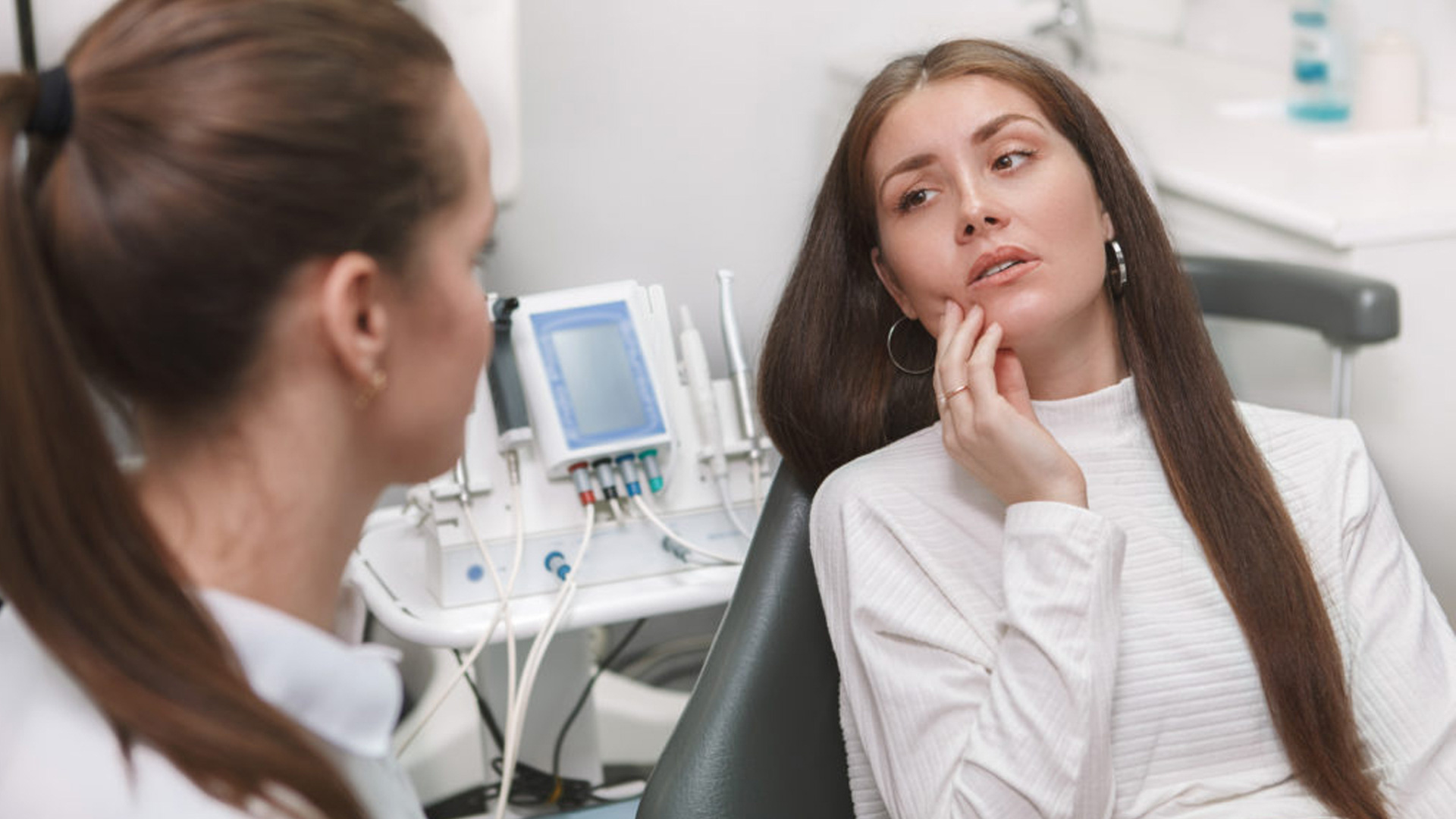
Dental emergencies have a way of cutting through the day without warning. A child chips a front tooth on the playground. A parent wakes up with swelling that was not there the night before. A grandparent loses a crown right before a family event and suddenly cannot chew without pain. In those moments, people are not comparing marketing claims. They are looking for calm, skill, availability, and a practice that knows how to act quickly without turning a stressful situation into a bigger ordeal.
That is the heart of why families place such high trust in an emergency dentist in Beverly Hills. It is not only about being open when something goes wrong. It is about consistent judgment under pressure, clear communication, and a standard of care that holds up when the patient is frightened, in pain, or both.
In family dentistry, trust is rarely built by one dramatic save. More often, it grows from repeated experiences. A toddler with a mouth injury is handled gently. A teenager with a sports accident is treated promptly and with an eye toward appearance as well as function. An adult with a severe toothache gets honest guidance about whether the issue needs a root canal, extraction, or something less invasive. Over time, families remember who answered the phone, who made room in the schedule, and who explained the next step in plain language.
What families actually mean when they say they want an emergency dentist
When people say they need emergency care, they may be describing very different problems. Some are true emergencies, such as uncontrolled bleeding, facial swelling, severe trauma, or a knocked out tooth. Others feel urgent because the pain is intense or the timing is terrible, even if the underlying problem is less dangerous. A lost filling on a Friday afternoon can be manageable for one patient and overwhelming for another, especially if that patient is leaving town or caring for small children.
Families tend to trust a practice that understands this distinction without minimizing anyone’s concern. That balance matters. Overreacting can lead to unnecessary treatment. Underreacting can allow an infection or fracture to worsen. Experienced emergency care sits in the middle. It is responsive, but measured.
A strong emergency dentist in Beverly Hills typically knows how to triage fast. That means listening for details that change the urgency, such as duration of pain, sensitivity to temperature, visible swelling, fever, recent trauma, or whether the tooth is loose. It also means recognizing the practical realities of family life. If a parent calls with a bleeding mouth injury after soccer practice, they need direct instructions right away. If an older adult with a bridge problem is having trouble eating, they need a plan that preserves comfort and Emergency Dentist Beverly Hills stability while the permanent fix is arranged.
This kind of judgment reassures people. Families do not expect miracles every time. They expect competence, honesty, and a team that can separate a same day need from a situation that requires immediate intervention.
Speed matters, but so does composure
There is a common assumption that emergency dental care is mostly about availability. Availability matters, of course, but speed without composure can create problems. A rushed evaluation may miss a hairline fracture, a hidden infection, or trauma to surrounding teeth that do not yet hurt. The families who return to the same office again and again often do so because the dentist combines urgency with discipline.
That combination is especially important with children. A panicked child does not just need treatment. The child needs an environment that lowers fear enough to allow the examination in the first place. The best emergency visits for pediatric patients often begin slowly, even when the schedule is tight. A few calm words, a simple explanation, and a measured pace can determine whether the visit becomes manageable or chaotic.
Adults benefit from this steadiness too. Severe dental pain has a way of shrinking Emergency Dentist Beverly Hills a person’s bandwidth. Patients who are usually decisive may struggle to absorb information. A trusted practice knows how to explain choices clearly without overwhelming the patient. That might sound simple, but under real conditions it takes experience.
A dentist who says, “Your tooth is cracked below the filling, the nerve is inflamed, and here are the two most realistic options today,” does more than provide treatment. That dentist restores a sense of control. Families remember that.
The Beverly Hills factor, and why expectations are high
Beverly Hills is known for a polished standard in many areas of health and personal care, and dentistry is no exception. Patients here often expect clinical excellence, careful attention to appearance, and efficient service. In emergency care, those expectations become even sharper. People want relief from pain, but they also want protection of long term outcomes, especially when front teeth are involved.
This matters because not every emergency fix should be treated like a final answer. A temporary stabilization may be exactly the right move on day one, particularly after trauma or when swelling limits what can be done safely. Families trust practices that explain this well. They appreciate hearing that the immediate goal is to stop pain, control infection, protect the tooth if possible, and preserve options for the definitive treatment.
Aesthetic judgment also plays a larger role than some people realize. A chipped incisor in a child, a fractured veneer in a working professional, or a broken crown in a patient attending a family celebration can carry emotional weight beyond the physical discomfort. In Beverly Hills, where appearance often intersects with work, social life, and confidence, the emergency dentist must think beyond short term patching. A repair that looks natural, even if temporary, can make a difficult day feel survivable.
Families notice when a dentist sees the whole picture. They can tell the difference between a practice that merely fills a schedule gap and one that treats urgent care as a serious branch of dentistry requiring speed, technical skill, and aesthetic awareness.
Pain is only part of the story
Some of the most urgent cases are not the ones with the highest pain scores. A knocked out permanent tooth may or may not hurt dramatically, but the time window for the best outcome is short. A facial swelling linked to a dental infection may begin as mild discomfort and become more serious within hours. A cracked molar may not look alarming at first, yet the damage can deepen with every bite.
Families learn, often through experience, that a trusted emergency dentist pays attention to these nuances. The office asks the right questions. Was there trauma? Is the tooth loose? Is there trouble swallowing? Is the pain throbbing and spontaneous, or only when chewing? Has the face changed shape? These details guide treatment and often influence whether the patient should come to the dental office, seek medical care, or do both.
For a family, this kind of guidance is invaluable. It prevents the two common mistakes people make under stress. The first is waiting too long, hoping the problem will settle down on its own. The second is assuming every dental problem belongs in the hospital emergency room, where pain control may be available but definitive dental treatment usually is not. A dependable dentist helps families avoid both traps.
The practical reasons trust grows over time
Trust is emotional, but it is also practical. Families tend to rely on an emergency dentist after certain patterns repeat themselves. They see the office respond well under pressure. They feel respected. They are not left guessing.
A few qualities come up again and again in real patient decisions:
- Same day responsiveness when the situation warrants it
- Clear explanations without jargon or pressure
- Thoughtful care for both children and adults
- Realistic planning for follow up after the immediate crisis
- A team that stays calm and organized when patients are not
These are not glamorous traits, but they are the ones that matter at 7:30 in the morning when a child falls in the kitchen and chips a tooth, or at 4:45 in the afternoon when swelling appears before a long weekend.
Another factor is continuity. Families are more comfortable when the emergency dentist can see prior records, compare old X rays, and understand the patient’s history with crowns, orthodontics, implants, grinding, or gum disease. That context can change treatment decisions. A loose tooth means one thing in a healthy mouth and something very different in a patient with advanced periodontal issues. A broken filling in a tooth that has already been repaired three times may point toward a crown rather than another patch.
When the dentist already knows the patient, decision making becomes sharper. Even when the family is new to the office, trust builds quickly if the team behaves as though details matter.
What happens in the first call often sets the tone
Many families decide whether they trust a practice before they walk through the door. The front desk or care coordinator is often the first point of contact, and in urgent cases that interaction matters more than offices sometimes realize.
A vague or dismissive response can increase panic. A sharp, practical conversation can lower it immediately. Patients need to know whether they should come in now, what they can do safely at home in the meantime, and what signs would indicate a more serious problem. They also want to know that someone is prepared for their arrival.
A strong emergency dental office usually gives focused instructions. For a knocked out adult tooth, the caller may be told to handle it only by the crown, not the root, gently rinse if dirty, and keep it moist while coming in right away. For swelling, the team may ask about fever, difficulty breathing, or spreading facial changes. For a broken crown, they may discuss temporary protection and advise the patient to avoid chewing on that side.
None of this replaces treatment, but it shows competence. Families trust offices that sound practiced rather than improvised.
Children change the equation
Emergency care for families is different from emergency care for individuals because children alter the stakes. A parent is not only thinking about the injury or pain itself. They are worrying about fear, future dental anxiety, school schedules, speech, appearance, and whether a baby tooth injury could affect the permanent tooth developing underneath.
An experienced emergency dentist in Beverly Hills understands that the technical fix is only part of the appointment. The child’s first memory of urgent dental treatment may influence how they approach care for years. A rushed, cold, or visibly irritated approach can do lasting damage. So can overpromising. Children read adults well, and they sense when people are pretending.
The most trusted family dentists tend to be direct but gentle. They explain what they are doing in simple terms. They involve the parent without turning the room into a negotiation. They know when to move quickly and when to pause. That balance is not easy. It comes from treating many children over time, not just being kind in theory.
The same principle applies to teenagers, though in a different way. Adolescents often care intensely about appearance, especially if the injury affects a front tooth. They may also play sports, wear braces, or have schedules packed with school and extracurricular commitments. A trusted dentist takes those realities seriously. Saving a tooth is the primary goal, but so is helping the patient feel presentable and informed.
Adults and older relatives need a different kind of support
Parents and grandparents bring their own set of urgent dental issues. Cracked teeth from clenching are common. So are broken restorations, infections around older dental work, and pain from untreated decay that became impossible to ignore. Older adults may have additional complications, including dry mouth from medications, thinner enamel from years of wear, or medical histories that shape how treatment should proceed.
Families often trust one office because it can competently manage all of these stages of life. That versatility matters. It is reassuring to know that the same practice can evaluate a sports injury in a twelve year old, a fractured crown in a forty five year old, and a denture or implant complication in a seventy year old.
Older patients, in particular, benefit from dentists who think beyond the immediate repair. If a crown breaks off repeatedly, the issue may be the bite, the underlying tooth structure, or the condition of the root. If a patient has recurrent swelling around the same area, the real question may be whether the tooth is still restorable. Families appreciate honesty here. Temporary fixes have a place, but not when they delay the inevitable without improving quality of life.
That is another source of trust. A reliable dentist knows when to save, when to stabilize, and when to recommend a more definitive step.
Not every emergency ends with major treatment
One misconception about emergency dentistry is that every visit results in a large procedure. Often, the first visit is about diagnosis, pain control, protecting the damaged area, and making a safe plan. That can be frustrating for patients who want everything finished immediately, but it is often the most responsible approach.
Take a deeply cracked tooth with significant inflammation. If the patient arrives late in the day with severe pain and swollen tissue, the immediate goal may be to relieve pressure, place a temporary restoration, prescribe medication when appropriate, and schedule definitive care under better conditions. In another case, a child with a lip injury and a slightly mobile front tooth may need careful monitoring rather than aggressive treatment that day.
Families trust dentists who can explain these trade offs without sounding evasive. People can accept staged treatment when they understand the reasoning. They are less comfortable when a practice appears to be improvising or upselling.
A measured plan often includes some version of this guidance:
- Control the immediate problem, pain, bleeding, infection, or instability
- Protect the tooth and surrounding structures from further damage
- Reevaluate once swelling, numbness, or acute stress has settled
- Choose the definitive treatment based on a clearer clinical picture
That sequence is not a delay tactic. It is often what preserves the best long term result.
The emotional memory of an emergency visit lasts
Families remember dental emergencies with unusual clarity. They remember the time of day, the phone call, the look on their child’s face, or the instant the pain crossed from manageable to impossible. They also remember who helped.
This is why bedside manner matters so much in urgent care. Technical ability is essential, but emotional steadiness shapes the patient’s lasting impression. A dentist who remains calm, speaks plainly, and shows confidence without arrogance can change the entire feel of the event. The family may still have had a terrible afternoon, but they do not leave feeling lost.
That emotional memory becomes part of the practice’s reputation. In communities where people talk, recommend, and compare experiences, trust spreads less through advertising than through stories. Someone says, “They saw my son the same day after he cracked a tooth,” or “They were honest about what could be fixed right then and what needed follow up.” Those accounts carry weight because they are specific.
Patients do not usually describe trust in abstract terms. They describe moments. The office stayed late. The dentist called to check in the next day. The repair looked better than expected. The swelling went down and the explanation made sense. Trust is built from those details.
Why reliability often matters more than perfection
Emergency dental care does not always allow for ideal conditions. Tissue may be inflamed. Visibility may be limited. The patient may be distressed, exhausted, or unable to tolerate lengthy treatment. In that setting, perfection is not always the immediate goal. Reliability is.
Families trust a dentist who can deliver good decisions consistently, even when the case is messy. That includes knowing when to bring in a specialist, when to refer for oral surgery, and when a hospital setting is more appropriate because the issue extends beyond routine dental management. Confidence is valuable, but appropriate restraint is just as important.
This point is sometimes overlooked. The best emergency dentist in Beverly Hills is not the one who insists on handling everything personally. It is the one who understands the limits of the moment and acts in the patient’s best interest. For a family, that discernment is a major reason to return.
When a family says, “We trust this office,” what they are really saying
Usually, they are saying that the office has earned credibility in the moments that mattered most. They were reachable. They did not overcomplicate the situation. They saw the patient quickly when needed. They balanced urgency with care. They protected both health and appearance when possible. They treated the anxious child, the busy parent, and the older relative with the same seriousness.
Trust in emergency dentistry is not built by slogans. It is built by performance under pressure, one case at a time.
For families in Beverly Hills, that standard is high, and understandably so. Dental emergencies affect comfort, confidence, schedules, and sometimes long term oral health. When the right dentist steps in, the value is immediate. Pain is addressed. Fear settles. A plan takes shape. The family goes from reactive to reassured.
That is why families keep the number of a trusted emergency dentist close. Not because they expect trouble, but because when trouble comes, they know exactly who they want on the other end of the line.
Dental Group of Beverly Hills
8641 Wilshire Blvd #125, Beverly Hills, CA 90211, United States
Phone: +1 (310) 929-6335
FAQ About Emergency Dentist Beverly Hills
What is considered to be a dental emergency?
Severe tooth pain, a knocked-out permanent tooth, a significant tooth fracture, or suspected dental infection needs prompt professional assessment. Contact a dentist to describe the problem and arrange appropriate care. Trouble breathing or swallowing, uncontrolled bleeding, or major facial injury requires immediate emergency medical attention.
How to tell if tooth pain is serious?
Pain that is severe, persistent, or accompanied by fever, facial swelling, or a bad taste should be assessed promptly by a dentist. The cause cannot be confirmed from symptoms alone. If swelling affects breathing or swallowing, call 911 or go to an emergency department.
What do I do if I have a dental emergency and no dentist?
Call a nearby dental practice that accepts urgent patients and explain your symptoms, when they began, and any recent injury. Ask about the earliest available assessment and what information to bring. For life-threatening symptoms, seek emergency medical care immediately instead of waiting for a dental appointment.